
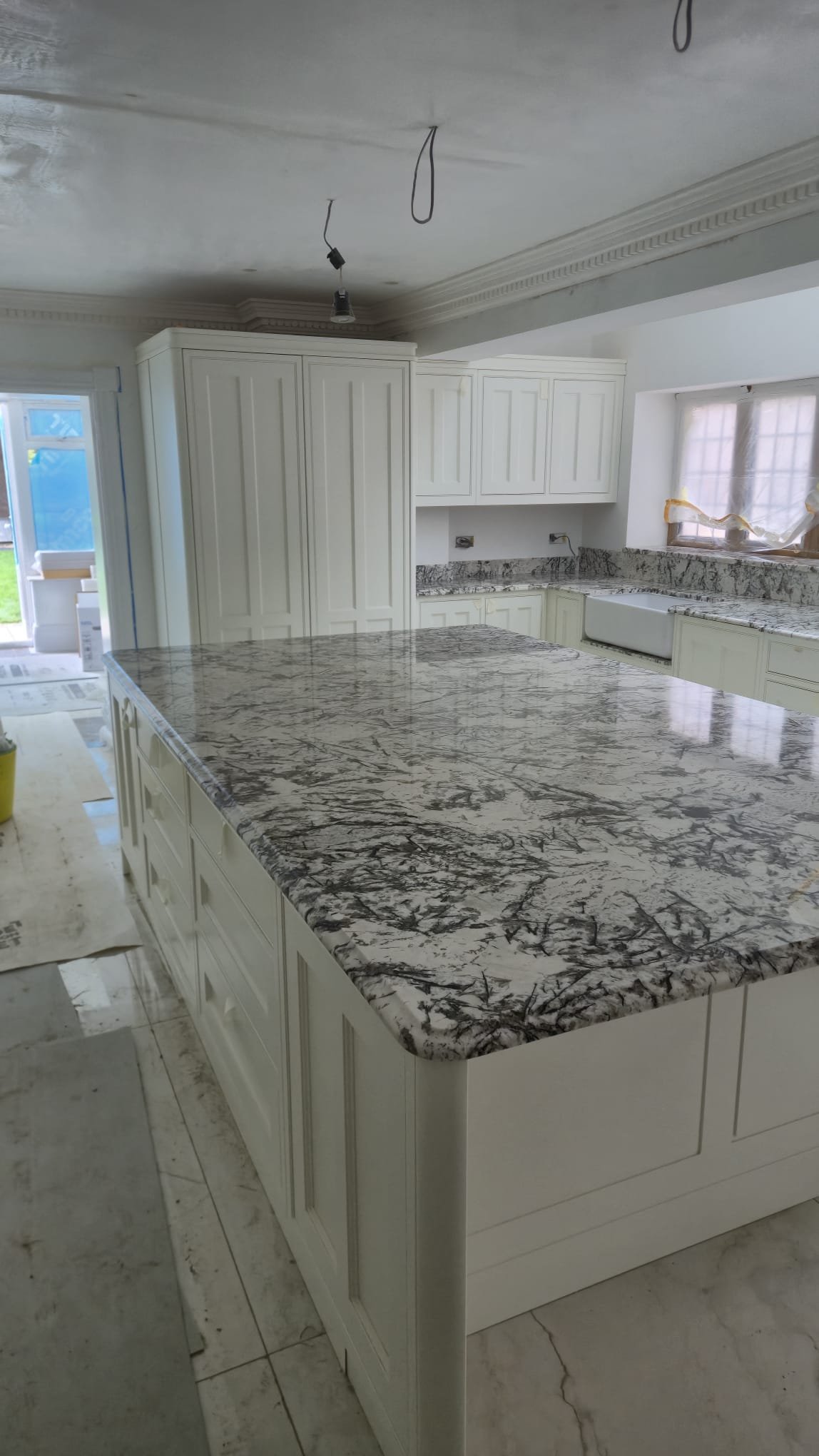
The right granite cleaner: a practical guide from Essex specialists
Keeping your granite worktops pristine is more complex than simply wiping surfaces with any cleaner. Using the wrong product risks dullness, stains or even costly damage. You need trusted advice on the best cleaner for granite surfaces and a clear routine to protect your investment. In this guide, Essex specialists from Medusa Stone share expert tips on cleaning granite countertops UK, sealing worktops, and treating stains safely. For more insights into the world of cleaning, you can explore this article.
Learn how to clean granite worktops effectively and ensure their longevity. When considering options for your kitchen worktops, see why many prefer specialist worktops from Medusa Stone. For those interested in quartz, our practical guide on the right cleaner for quartz worktops offers valuable advice.
Choosing the Right Granite Cleaner
Understanding the right products for cleaning granite is crucial for maintaining its beauty. This journey starts with recognizing the importance of using specific cleaners that protect the stone.
Importance of pH-Neutral Cleaners
Using a pH-neutral cleaner is essential for granite surfaces. These cleaners maintain the stone’s natural shine without causing damage. Acidic or alkaline products can harm the surface. A pH-neutral option ensures gentle yet effective cleaning, perfect for daily use.
Consider cleaners specifically labeled for granite. They prevent etching and dullness, ensuring your worktop remains pristine. Regular cleaning with these products preserves your stone’s elegance.
Stone-Safe Product Options
When selecting a cleaner for granite, choose products designed for stone surfaces. These are formulated to avoid residue and streaks. Look for options that are free from harsh chemicals.
There are several reliable brands available in the market. They offer solutions tailored for granite, focusing on maintaining the stone’s integrity. Always read the label to ensure compatibility with granite surfaces.
Avoid Bleach on Granite
Bleach might seem like a powerful cleaner, but it’s harmful to granite. It can cause discoloration and weaken the stone’s sealant. Always avoid bleach and similar harsh products.
Instead, lean towards gentler alternatives. These protect the stone while ensuring it remains in peak condition. Preserve your granite by using bleach-free products.
Effective Granite Cleaning Routines

Once you’ve chosen the right cleaner, establishing a routine is key. Knowing how to approach daily cleaning ensures your granite remains flawless.
How to Clean Granite Worktops
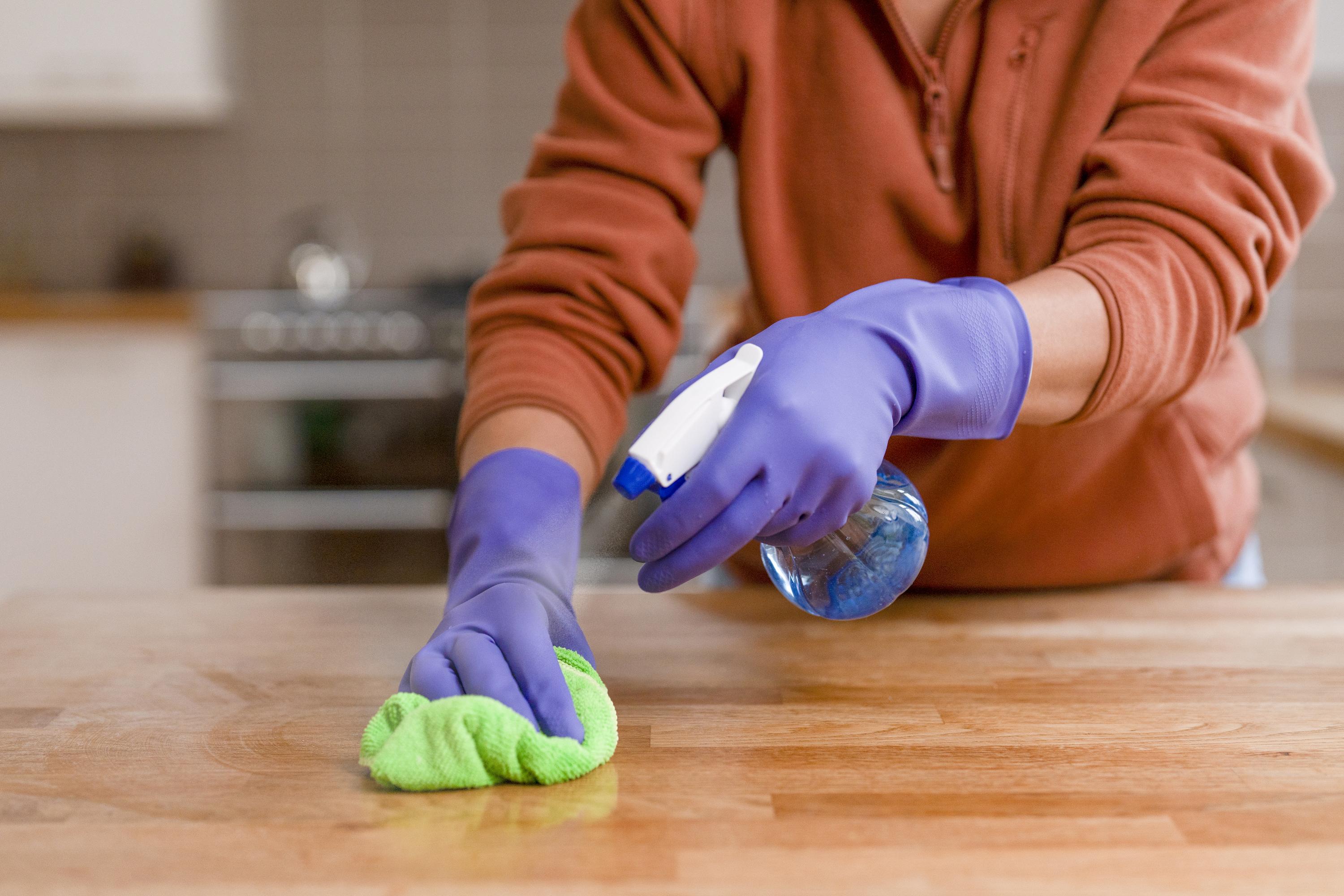
Start with warm water and a soft cloth. This simple combination is effective for everyday cleaning. Avoid scrubbing with abrasive materials, which can scratch the surface.
Regularly using a granite-specific cleaner enhances this routine. Apply it with a microfibre cloth to maintain the stone’s luster. Consistency is vital for keeping your granite in top shape.
Daily Microfibre Wiping Tips
Microfibre cloths are excellent for granite care. They pick up dust and particles without scratching. Using them daily helps maintain a spotless surface.
Dampen the cloth slightly for better results. This approach removes more grime and leaves the stone gleaming. It’s a simple step with big results for your granite’s appearance.
Spill Response and Stain Removal
Address spills immediately. Quick action prevents stains from setting in. Blot, don’t wipe, to avoid spreading the spill further.
For stains, apply a paste of baking soda and water. Let it sit overnight, then rinse with warm water. This method is gentle yet effective for treating stubborn spots.
Granite Care and Maintenance Essentials
Beyond cleaning, regular maintenance ensures longevity. These tips will keep your granite looking new for years to come.
Seal Granite Worktops Regularly
Sealing is crucial for protecting granite. It prevents liquid penetration and staining. Most experts recommend sealing every 1 to 2 years.
Test the seal by pouring water on the surface. If it beads, your seal is intact. If it soaks in, it’s time to reseal. This step is essential for maintaining granite’s durability.
Granite Worktop Maintenance Tips
Routine care extends beyond cleaning. Avoid placing hot pans directly on the surface, as this can cause damage. Always use trivets or mats.
Regularly check for chips or cracks. Addressing these early prevents further damage. A little attention goes a long way in preserving your granite.
Granite Aftercare Guide: A Must-Have
Having a comprehensive aftercare guide ensures you’re equipped with the right information. It provides step-by-step instructions for maintaining your granite.
Consider creating a guide tailored to your specific needs. It becomes a handy reference for keeping your worktops in perfect condition.
Frequently Asked Questions
Why should I use pH-neutral cleaners on granite?
pH-neutral cleaners are gentle and do not damage the sealant on granite surfaces. This helps maintain the stone’s natural beauty and prevents dullness or etching.
How often should I reseal my granite worktop?
Granite worktops should be resealed every 1 to 2 years. This ensures the stone is protected from stains and maintains its appearance.
Can I use vinegar on my granite counters?
No, vinegar is acidic and can damage granite surfaces. It’s best to use a pH-neutral cleaner specifically designed for stone.



About Post Author

